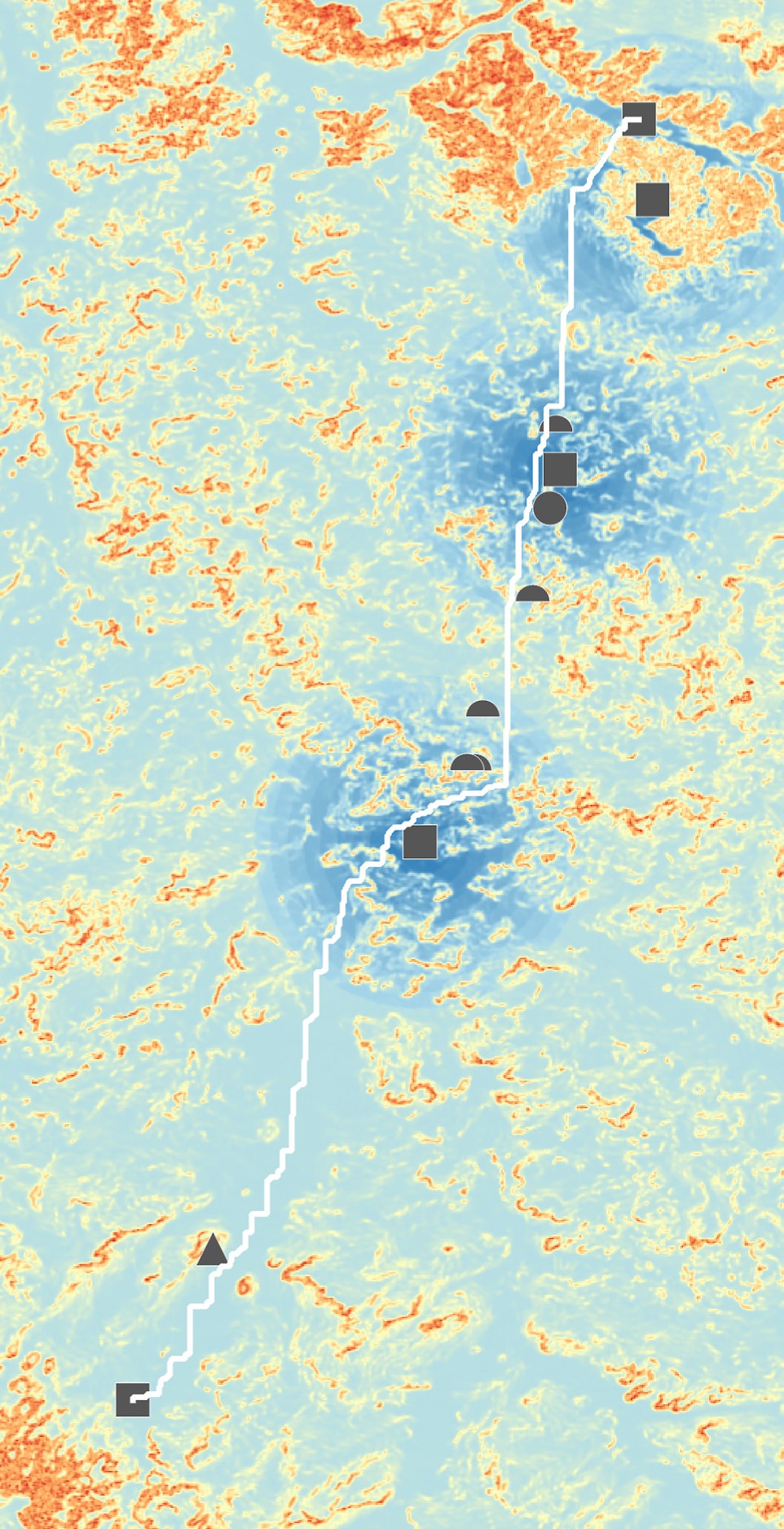
The lab is dedicated to interdisciplinary research, so our work is inherently diverse; however, the core of our work is focused on patterns of human settlement, mobility, and environmental change across both archaeological and contemporary landscapes. Take a look below for some of the work we are doing today.
CARAS
Computer Assisted Recognition of Archaeological Sites
Although machine learning methods should be used critically, they have the potential to radically transform the speed, efficiency, and accuracy of how we produce data for archaeological research. We are using machine learning techniques and toolkits to locate, map, and investigate archaeological sites across the world.
Specifically, this project focuses on merging computer vision, remote sensing, and traditional archaeological data to identify and record archaeological materials at multiple scales.
modROOTS
modeling Resilience and Outcomes Of Traditional Subsistence
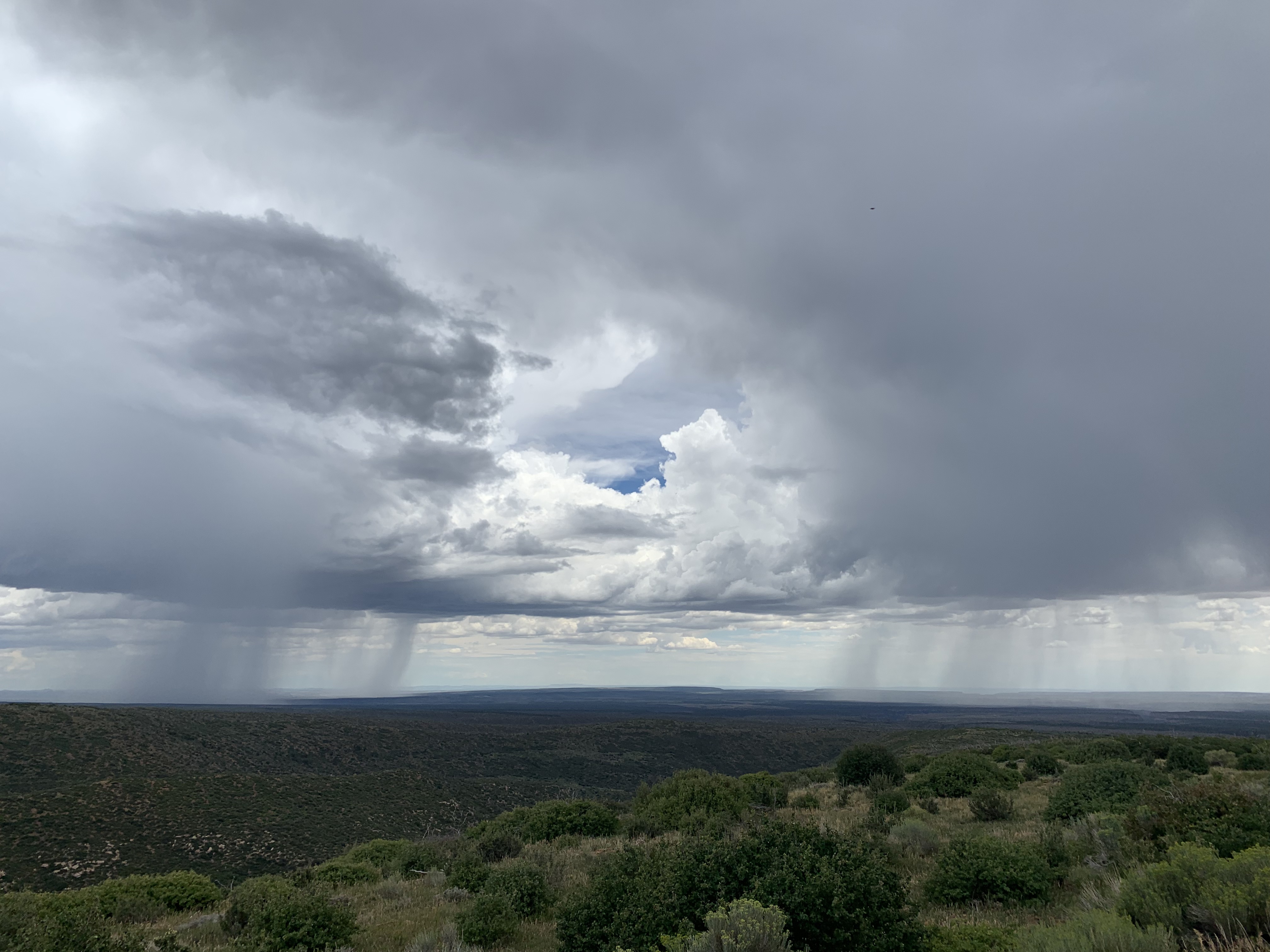
Through archaeology we are able to examine the social strategies and systems that enabled long-term resilience and subsistence success.
This project focuses on understanding how past farmers dealt with local environmental constraints, climate dynamics, and social histories to meet their subsistence needs.
PLODr
Prehistoric Leastcost Over Distance in R
One of the central methods for modeling movement in the prehistoric past involves least cost analysis-an approach that tracks pathways of the minimum accrued cost over landscapes.
This project focuses on building large scale least cost models of human migration over continental scales, requiring performance computing and novel computational approaches.