
Principal Investigator

Sean Field is a computational archaeologist who integrates remote sensing, data science, and machine learning techniques to understand human settlement and climate dynamics in past and contemporary contexts. His fieldwork has centered on the U.S. southwest, but has experience across the northern hemisphere, from Greece and Ireland to the Republic of Georgia.
He is currently a UW Derecho Assistant Professor in the School of Computing and Department of Anthropology at the University of Wyoming.
Postdoc
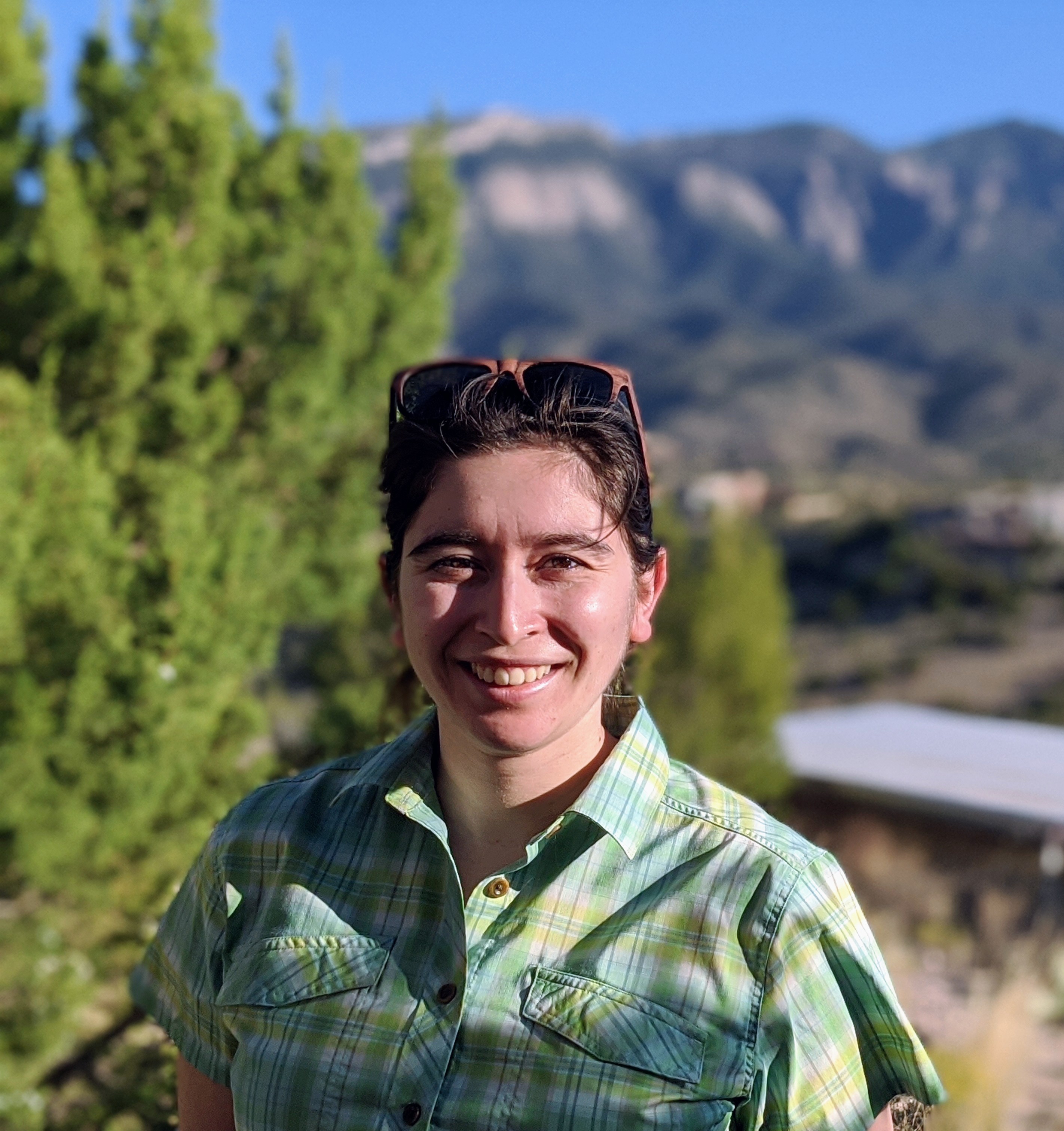
Katherine Peck is an archaeologist who uses computational approaches (spatial modelling, remote sensing, machine learning) to study ancient human-environmental interactions. Her research focuses on the relationship between agricultural strategies, environmental variables, and long-term productivity—especially in landscapes considered “marginal” for agriculture. She works primarily in Hawaiʻi and the U.S. Southwest. Katherine received her PhD in Anthropology from the University of New Mexico in 2025 and is currently a Postdoctoral Research Associate in the School of Computing at the University of Wyoming.
Doctoral Students
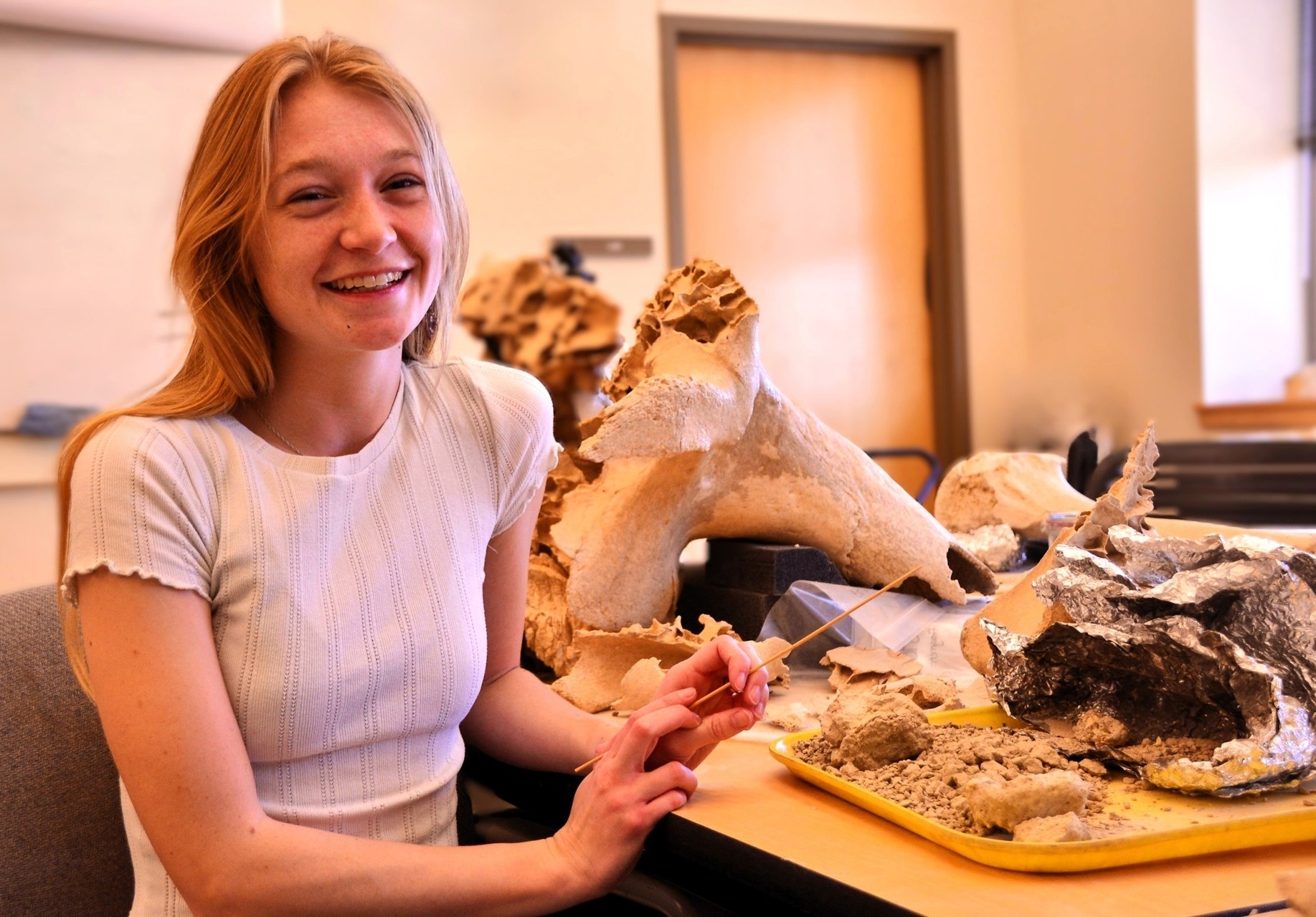
I’m a doctoral student in the Department of Anthropology and a fellow with the School of Computing. My research is centered on Paleoindian archaeology in the Rocky Mountain Region as well as the Peopling of the Americas.
I have been combining computer modeling with traditional archaeological methods to further interpret past human interactions with landscapes and animals. Some of my research projects include spatial analysis of bonebeds of proboscidean sites across North America; spatial analysis of the Vore Buffalo Jump to interpret the jump point without remaining drivelines; and recreating the Coastal Migration route for the Peopling of the Americas using new methods to create a least cost path following coastal currents and glacial patches. I love creating and interpreting data through computational science, and I love even more being out on site to further investigate hypotheses. My goal is to continue to form theories about the big picture of human movement into the Americas to contribute to the current debate about how and when people got here.

I am a doctoral student in the Department of Animal Science, researching hypoxia-induced pulmonary hypertension in beef cattle. My studies delve into understanding the ramifications of this condition on crucial aspects such as growth performance and meat quality, aiming to shed light on its impact on economically significant traits.
Furthermore, I am collaborating closely with the School of Computing to develop innovative software leveraging machine learning techniques. The objective is to create sophisticated risk diagnostic and management tools tailored to the beef industry. Through this interdisciplinary approach, I aspire to emphasize the critical role of data management and physiological insights in facilitating informed decision-making processes. Ultimately, my goal is to contribute towards enhancing efficiency and sustainability within the beef sector.

Update pending…
Masters Students
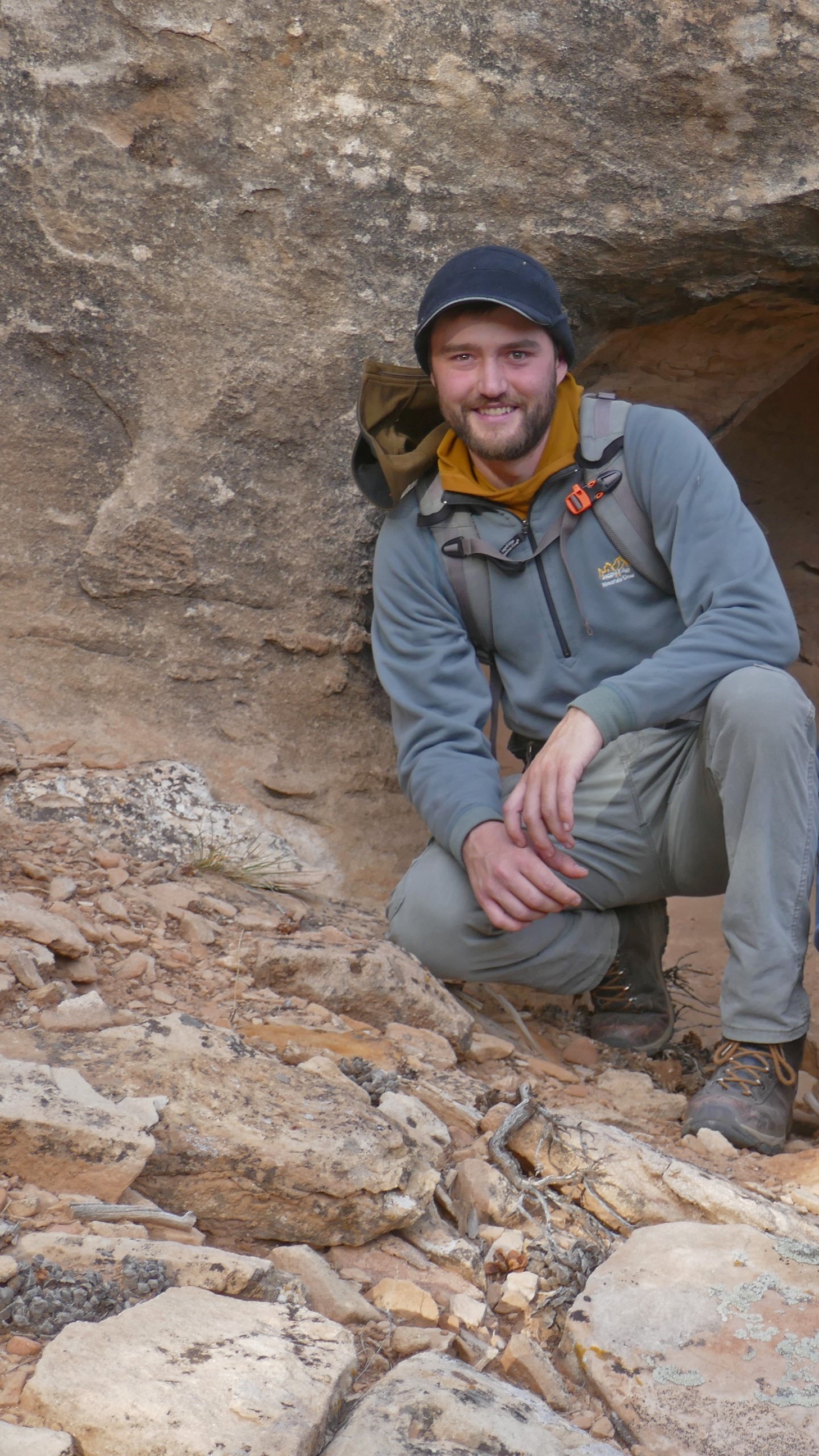
I was born and raised in Southwest Colorado. I graduated from Colorado State University with two bachelor’s degrees, in Biological Anthropology and Sociology. Since graduation I have been associated with Archaeological research endeavors and excavations in the United States, Canada and Egypt.
My area of expertise and master’s research focuses on community relations and subsistence practices of Ancestral Puebloans living in marginalized areas of the prehistoric Southwest. I employ in-field research, GIS spatial analysis and computational modeling to help elucidate the potential reasonings for prolonged occupation of unusual spaces and how these findings relate to the larger narrative of the prehistoric Southwest.
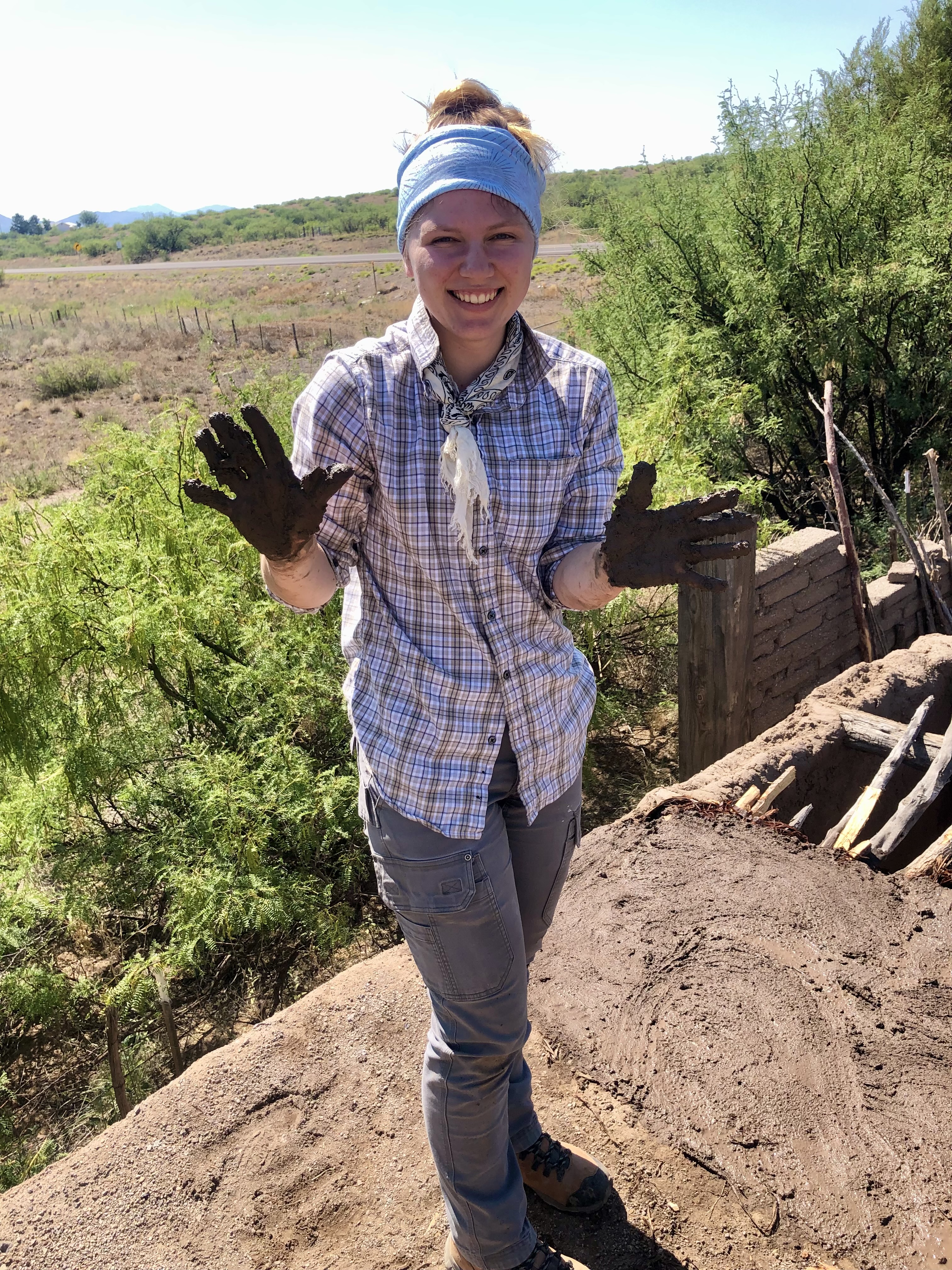
Hello! My name is Faith Podzimek, and I am a first-year master’s student in the Anthropology department at the University of Wyoming. I earned my bachelor’s degree in Anthropology from the University of Nebraska-Lincoln in 2025, specializing in Archaeology & Indigenous Studies. I have conducted archaeological research in both the Great Plains and the American Southwest, specifically in New Mexico, Utah, Arizona, Colorado, Nebraska, and South Dakota. My areas of interest include past agricultural practices and foodways, division of labor, lithics, rock imagery, computational analysis, non-invasive methods of archaeological investigation, experimental archaeology, and applied anthropology.
My graduate research focuses on the morphology and the productivity of dry-land agricultural features in the Northern San Juan Region of the Colorado Plateau. More specifically, by using LiDAR data, composite profiling, and crop niche modeling, to explore what types of crops would have been compatible with these features, how effective they were during times of unpredictable climate, and how large a population could have been supported. Outside of academia, I am more than likely hanging out with friends and family, buying plants, reading, starting a new art project, adding to my rock collection, road tripping, or meandering through a national park.
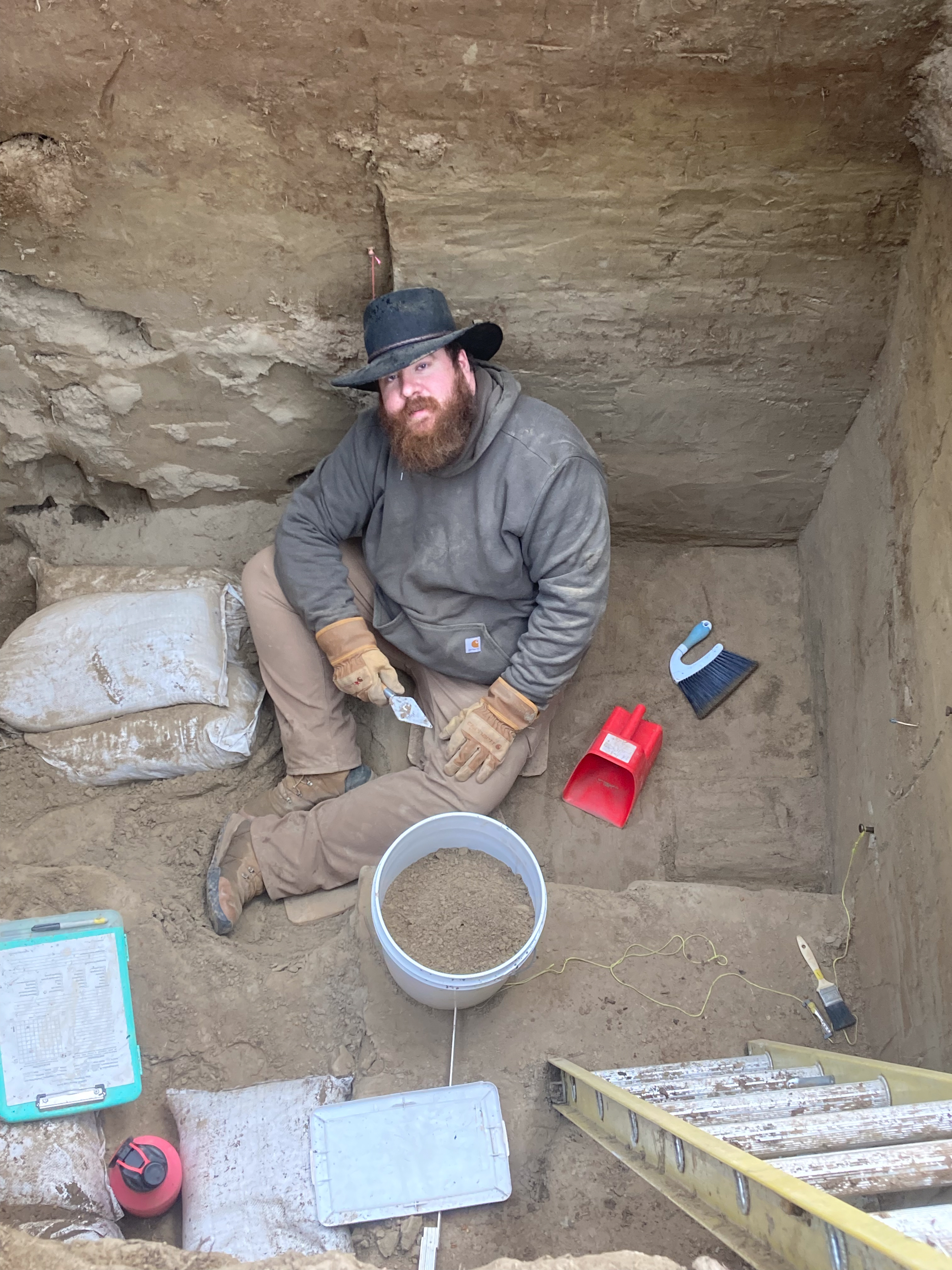
I am Brad Murdock, a second-year master’s student in the Department of Anthropology at the University of Wyoming. My work centers on computational archaeology, with research interests in machine learning, remote sensing, geographic information systems (GIS), and drone-based survey methods. I am a researcher with the GeoPacha project, a large-scale remote-sensing archaeological survey, and a member of the Field Lab for Applied Computational Research. Outside of academia, I am an avid photographer and videographer, a passionate fan of the Denver Nuggets and Nikola Jokic, and I enjoy building computers and playing PC games.
 FIELD LAB